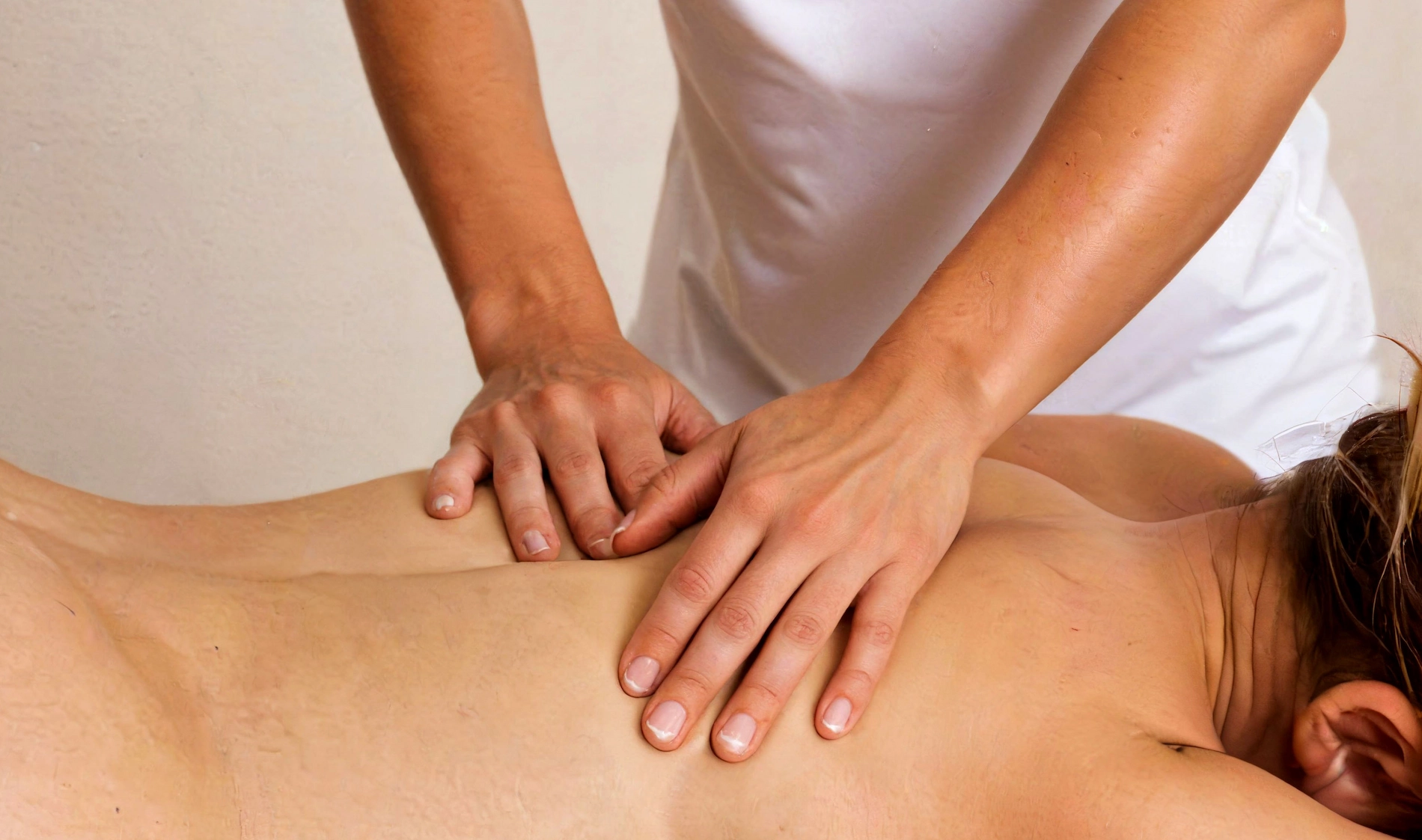
Manual Osteopathic Techniques
Manual osteopathic approaches encompass a wide variety of techniques tailored to the individual needs of the patient during each consultation. These passive interventions aim to enhance the body's natural healing processes in order to support recovery and relieve discomfort.
The therapeutic potential of touch lies at the heart of these techniques, making them effective for addressing both acute and long-term issues. Osteopathic practitioners at Osteopathie Seebach select from a range of techniques depending on the patient's condition and goals, using a personalised, patient-centred approach to treatment.
Overview of Techniques
We are looking forward to welcome you at our clinic in Zurich Seebach and provide you with a comprehensive approach to health care.
1. Direct Techniques:
These include high-velocity low-amplitude thrusts, articulatory techniques, muscle energy techniques, and soft tissue work. Direct approaches are often applied to address acute musculoskeletal issues or pain by targeting specific areas with focused intervention and paring them with a physical exercise to do at home.
2. Indirect Techniques:
Functional techniques, strain-counterstrain, and facilitated positional release are examples of indirect methods. These approaches gently encourage the body to release tension and restore a sense of balance, often making them suitable for conditions involving heightened sensitivity or patients experiencing a lot of pain.
3. Balancing Techniques:
Techniques such as balanced ligamentous tension and ligamentous articulatory strain aim to restore equilibrium in the body's structural and functional systems, promoting harmony in movement and stability.
4. Combined Techniques:
Myofascial release, cranial techniques, visceral mobilisation, and neural mobilisation are combined approaches that address interconnected physical systems. These techniques are often employed to desensitise pain perception, improve mobility, and support a holistic understanding of the patient's health.
5. Reflex-Based Techniques:
Trigger point therapy, Chapman's reflexes, and neuromuscular techniques focus on stimulating reflexive responses in the body to promote healing, reduce pain perception, and improve function.
6. Fluid Techniques:
Lymphatic and visceral pump methods aim to enhance the movement of fluids within the body, supporting circulation, immune function, and recovery.